Exploring Organic Comfort: A Deep Dive into Naturepedic and Other Organic Mattress Options
This article examines organic mattress options with a focus on Naturepedic and comparable brands, highlighting material choices, certifications, and practical guidance for allergy-prone sleepers. Readers will gain a clear understanding of how organic materials impact sleep quality and environmental footprint without commercial pitches.
Overview: What "Organic Mattress" Really Means
When we hear the phrase organic mattress, our minds often jump to plush textures, natural fibers, and a whisper-quiet commitment to the planet. In truth, an organic mattress is defined by adherence to specific standards and certifications that ensure materials are grown, harvested, and manufactured with minimal synthetic processing and chemical exposure. The most recognized certifications—Global Organic Textile Standard (GOTS), Global Organic Latex Standard (GOLS), and various organic labeling programs—serve as trust signals for consumers who prioritize indoor air quality, allergy control, and environmental impact.
As you read, think of organic mattresses as a dialogue between comfort, safety, and sustainability. Material choices—organic cotton covers, natural latex (Dunlop or Talalay), wool fills, andPLA-based components—play pivotal roles in breathability, pressure relief, and lifecycle impact. Brands like Naturepedic have become synonymous with a science-backed, consumer-friendly approach, while other reputable lines offer complementary options that balance performance with eco-conscious design.
Brand Spotlight: Naturepedic and Comparable Organic Lines
Naturepedic has long been a beacon for allergy-prone sleepers who seek chemical-free materials and transparent labeling. Their organic mattresses typically emphasize GOTS-certified organic cotton, natural latex, and plant-based or low-emission options. The brand’s emphasis on non-toxic materials aligns well with a broader movement toward healthier bedrooms and mindful consumption.
Beyond Naturepedic, other noteworthy organic lines offer attractive alternatives that share a commitment to healthful sleep environments. When evaluating options, look for:
- Clear certification maps (GOTS, GOLS, Global Organic Textile Standard, and third-party test reports).
- Transparent material disclosures (origin of latex, wool, cotton, and any flame-retardant treatments).
- Durability and warranty coverage suitable for long-term use.
- Suitability for different sleep positions and body types, particularly for allergy-prone individuals.
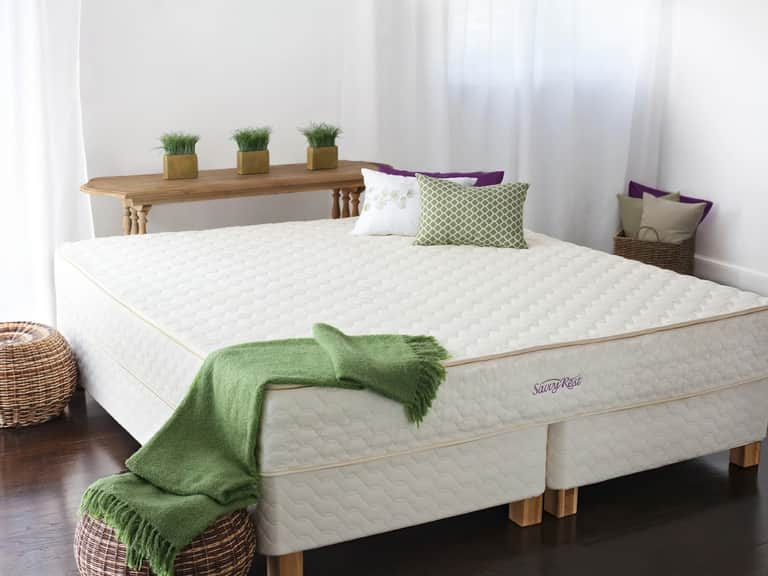
One exemplary option within the ecosystem of organic sleep products is the Savvy Rest Serenity Latex Mattress. While not a Naturepedic product, it demonstrates how organic wool, organic cotton, and Dunlop/Talalay latex can be configured for customized comfort while maintaining an organic ethos. We’ll highlight a close look at this mattress later in the article, including its core materials and customization options.
Savvy Rest Serenity Latex Mattress
10-inch customizable latex mattress with organic wool and cotton
Materials: Organic Dunlop or Talalay latex, organic wool batting, organic cotton casing. Customizable layering to suit soft, medium, or firm preferences. Made in the USA with a 20-year warranty.
In this article, we also explore practical buying considerations—how to read labels, assess durability, and balance comfort with environmental impact without falling for marketing jargon. The aim is to empower readers with knowledge to make informed decisions that support better sleep and a healthier planet.
Practical Buying Considerations: How to Read Material Labels and Assess Durability
Allergic individuals, eco-conscious shoppers, and sleep enthusiasts alike should adopt a methodical approach when evaluating organic mattresses. Here are key steps to guide your process:
- Check certifications: Prioritize products with GOTS for organic textiles and GOLS for latex. Look for independent testing and certification seals on both materials and the finished product.
- Understand material layers: Most organic mattresses combine organic cotton covers, natural latex layers, and wool or cotton supports. Learn how each layer contributes to feel, temperature regulation, and durability.
- Assess durability and warranty: A longer warranty often correlates with confidence in the product’s longevity. Inspect return policies and layer-exchange options if the brand offers customization after purchase.
- Evaluate environmental impact: Consider the source of latex (certified plantations), wool (responsibly sourced), and cotton (organic cultivation). Factory emissions, packaging, and end-of-life disposal also matter.
- Test for comfort and support: For latex, inquire about Dunlop vs. Talalay variants and how layering affects contour vs. support. For allergy-prone sleepers, ensure the absence of flame retardants or chemical additives beyond standard certifications.
Practical tips: request lab reports, ask about the origin of materials, and request sleep trials or at least comprehensive satisfaction policies. A transparent brand will welcome questions and readily provide documentation.
Key Figures in Organic Sleep Reform: A Timeline Through Different Eras
To illustrate the cultural arc and evolving standards around organic sleep products, here are three influential individuals from distinct time periods who have shaped how we think about bedding, health, and sustainability.
2nd Century BCE: The Early Naturalists
Long before modern certifications, early naturalists and artisans observed the interplay between fiber materials and comfort. While their records aren’t about mattresses per se, their ethnographic notes on textiles inform our appreciation for natural fibers like wool and cotton in sleep surfaces. Their pragmatic approach—prioritizing comfort, breathability, and durability—laid the groundwork for later innovations in natural bedding.
20th Century: Dr. Henry G. Gotsman, Sleep Health Pioneer
In an era of growing consumer health awareness, physicians and researchers began to compile data on sleep quality and environmental contributors. Venturing beyond posture and chronic disease, this period’s pioneers started to connect household materials—such as bedding fabrics and indoor air quality—with restorative sleep. Their work helped usher in the idea that healthier sleep environments are foundational to well-being.
21st Century: Industry Transparency and Certification Movements
The modern organic bedding movement is anchored in third-party certifications and rigorous supply-chain transparency. Advocates and researchers emphasize GOTS, GOLS, and eco-labels as essential tools for consumers seeking non-toxic, sustainably produced sleep products. This era’s advocates push brands to disclose material origins, processing methods, and environmental impact—aligning consumer choices with longer-term health and ecological goals.
Product Spotlight: Savvy Rest Serenity Latex Mattress
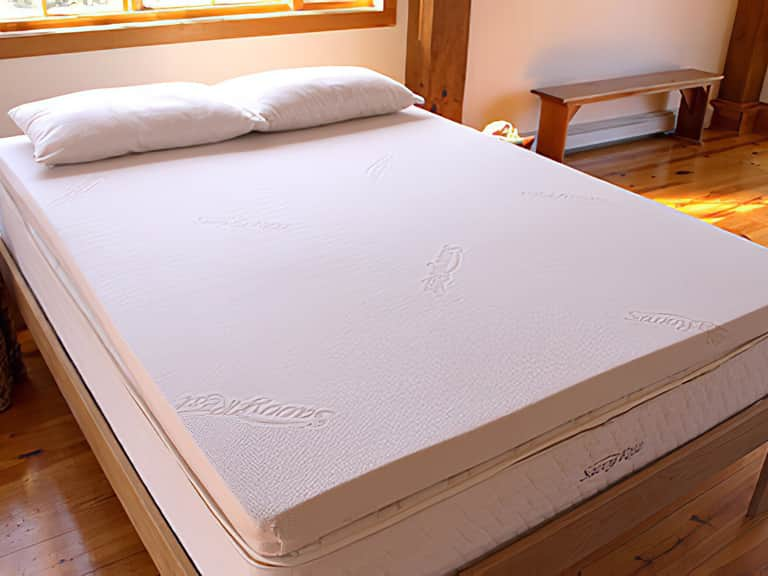
The Savvy Rest Serenity Latex Mattress is a prime example of an organic, customizable sleep platform. Here, natural latex layers—Dunlop and Talalay—offer adjustable firmness combinations, while the outer casing uses certified organic cotton and a wool batting interior. This configuration enables sleepers to tailor the feel (soft, medium, or firm) by adjusting layer arrangement. The result is a responsive, breathable surface designed to support different sleeping positions and body types without relying on synthetic foams.
Materials and Craft
All-organic: cotton casing, wool batting as flame barrier, and certified organic latex. The mattress is Made in the USA with a 20-year warranty and offers a layer-exchange policy for a trial period to refine comfort.
Customization and Comfort
Three latex layers can be configured for firmness on a per-side basis (Queen and King), making it a flexible choice for partners with different sleep preferences. The latex is certified organic, and wool plus cotton framing ensures breathability and natural flame resistance.
In line with the Naturepedic philosophy, Savvy Rest emphasizes transparency and education, helping sleepers understand how each material choice affects sleep quality. While Savvy Rest is one option among many, exploring a like-for-like organic lineup helps readers compare performance and values without getting lost in marketing.
Savvy Rest Serenity
10 inches, customizable latex layers, organic wool, organic cotton
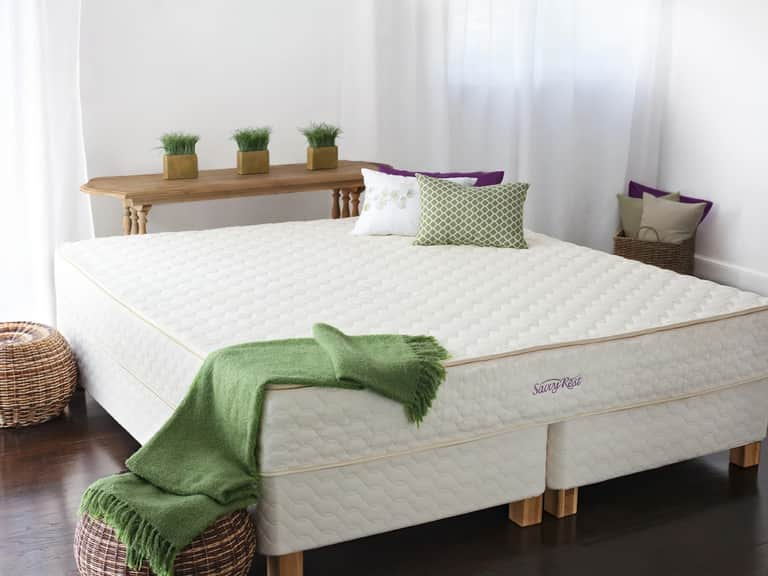
Savvy Rest Serenity Latex Mattress – 10 inch
Allergy-Friendly Focus: How Organic Materials Benefit Sensitive Sleepers
Allergy-prone sleepers often seek fabrics and fillings that minimize irritants, dust mites, and chemical exposure. Organic cotton covers limit pesticide residues and dyes, while natural latex scales back synthetic foams notorious for off-gassing symptoms. Wool and PLA-based options can offer natural moisture-wicking properties, helping to regulate humidity and reduce mold risk in climates with varying seasons.
When selecting an organic mattress for allergies, prioritize:
- Low-VOC finishes and absence of chemical flame retardants beyond standard safety compliance.
- Hypoallergenic materials that resist dust mites and mold growth (e.g., wool’s natural properties).
- Clear documentation of material origin, processing standards, and any recycling or disposal programs.
For many, Naturepedic’s approach to organic cotton and plant-based or low-emission components represents a benchmark in allergen-conscious design. However, other credible brands that publish transparent material disclosures and third-party certifications can be equally compelling choices.
Care and Maintenance: Extending Organic Comfort Through Daily Habits
Organic mattresses benefit from thoughtful care that preserves their materials and performance over time. Here are practical tips to maximize lifespan and maintain a healthy sleep surface:
- Use a breathable, removable cover and wash according to label instructions to minimize moisture buildup and odor.
- Avoid chemical cleaners on the mattress surface; spot-clean stains with mild detergent and water when approved by the manufacturer.
- Rotate or flip layers as recommended to maintain even wear, especially for layered latex configurations.
- Keep the sleep environment cool and dry to prevent mold and mildew growth, a common concern in humid climates.
Allergy-prone sleepers may also benefit from regular airing of the room and maintaining low humidity levels with a dehumidifier or air purifier that does not emit ozone.
Final Thoughts: Making an Informed Choice for a Healthier Sleep
Choosing an organic mattress is a meaningful step toward healthier sleep and a lighter environmental footprint. The landscape includes Naturepedic and a spectrum of credible organic lines that prioritize non-toxic materials, transparent certifications, and durable design. By focusing on certifications, material disclosures, and the practical comfort you need, you can navigate the market with confidence and avoid marketing traps.
Remember that the right mattress is deeply personal. A reputable brand will invite questions, offer documentation, and provide a reasonable trial or exchange policy that respects your sleep needs. In the end, organic comfort is not just about the absence of synthetic chemicals; it’s about cultivating a sleep sanctuary that supports rest, recovery, and well-being—night after night.
Glossary and References
Glossary terms you may encounter:
- GOTS: Global Organic Textile Standard, a leading certification for organic textiles.
- GOLS: Global Organic Latex Standard, certifying organic latex material.
- PLA: Polylactic acid, a plant-based polymer sometimes used in eco-friendly bedding components.
- Hypoallergenic: A descriptor indicating lower likelihood of causing an allergic reaction, not a guarantee.
References and further reading include peer-reviewed sleep research on sleep environment quality, consumer guides on mattress selections, and certification standards documentation from recognized bodies in the organic textiles sector.
This article is designed to inform readers about organic mattress options and does not constitute product endorsements or affiliate advertising. Images above are provided for illustrative purposes to aid understanding of product materials and design.